BrandBlum · B2B Retail SaaS · Navigation Architecture · Modular Design System

A modular navigation architecture.

60% sales growth across
partner stores

BrandBlum is a white-label retail promotions platform connecting brands, retailers, stores, and sales teams on one system. Nessie Capital, a family office with over 30 years of experience investing in entrepreneurial ventures, commissioned it from zero. Warmies, a soft toy brand operating across 25+ countries, was the pilot.

BrandBlum had to serve three user roles on the same platform: Store Manager, Brand Marketer, Sales Person. Each followed a different navigation hierarchy. A Store Manager moves from Category to Brand to Program to Product. A Sales Person moves from Brand to Retailer to Store, then arrives at the same Program and Product layers. The same data. Structurally incompatible paths to reach it.

The platform was also built to expand to new brands and retailers, with requirements that did not yet exist at the start. Screen-stacked navigation cannot absorb unpredictable requirements without structural change. Every new requirement means rebuilding the navigation from the inside.

Role 01/ Staff

Category: Winter Sales

Brand: Nike

Program: Christmas Sale 10%

Product:Shoes
Product:T Shirts
Product:Hats

Program: Christmas Sale 7%

Product:Shoes
Product:T Shirts
Product:Hats

Program: Christmas Sale 12%

Product:Shoes
Product:T Shirts
Product:Hats

Category: Winter Sales

Brand: Carharts

Program: New Year Sale 15%

Product:Shoes
Product:T Shirts
Product:Hats

Program: New Year Sale 25%

Product:Shoes
Product:T Shirts
Product:Hats

Role 02/ Brand

Brand: Nike

Retailer: DSW

Store: DSW Store Shopping Mall

Program: Christmas Sale 10%

Product:Shoes
Product:T Shirts
Product:Hats

Program: Christmas Sale 20%

Product:Shoes
Product:T Shirts
Product:Hats

Program: Christmas Sale 15%

Product:T Shirts

Store: DSW Store Shopping Mall

Program: Christmas Sale 10%

Product:Shoes
Product:T Shirts
Product:Hats

Program: Christmas Sale 20%

Product:Shoes
Product:T Shirts
Product:Hats

Program: Christmas Sale 15%

Product:T Shirts

Screen stacking was documented and set aside. It handled known requirements. Unknown configurations required a structural rebuild every time one arrived, and this platform was built to absorb configurations that did not yet exist.

The framework has two origins. At Trikoder, large-scale white-label architecture established what a navigation system needs to hold across different client configurations without a rebuild for each. A separate project, an AI executive reporting tool, produced a second principle: content that reconfigures its hierarchy by context, governed by rules set once at the structural level. Content Nesting combined both.

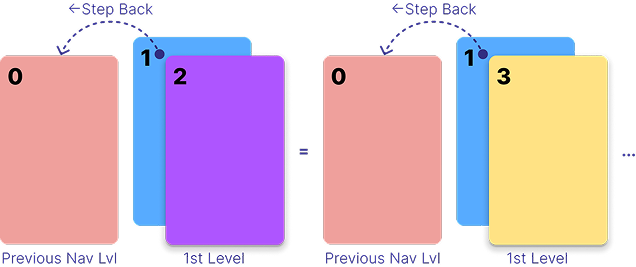
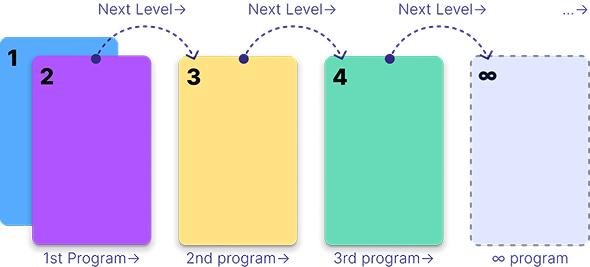
Content Nesting is a hierarchy of interchangeable Content Containers. Each container can sit inside another or move position in the hierarchy entirely, shifting with the context it serves. The hierarchy is defined once, at the structural level. Every configuration that follows inherits it.
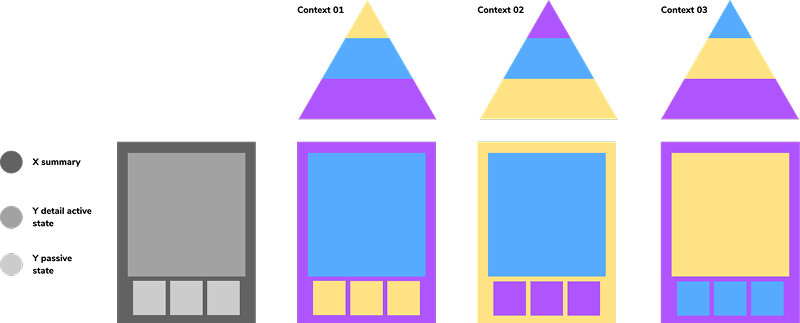
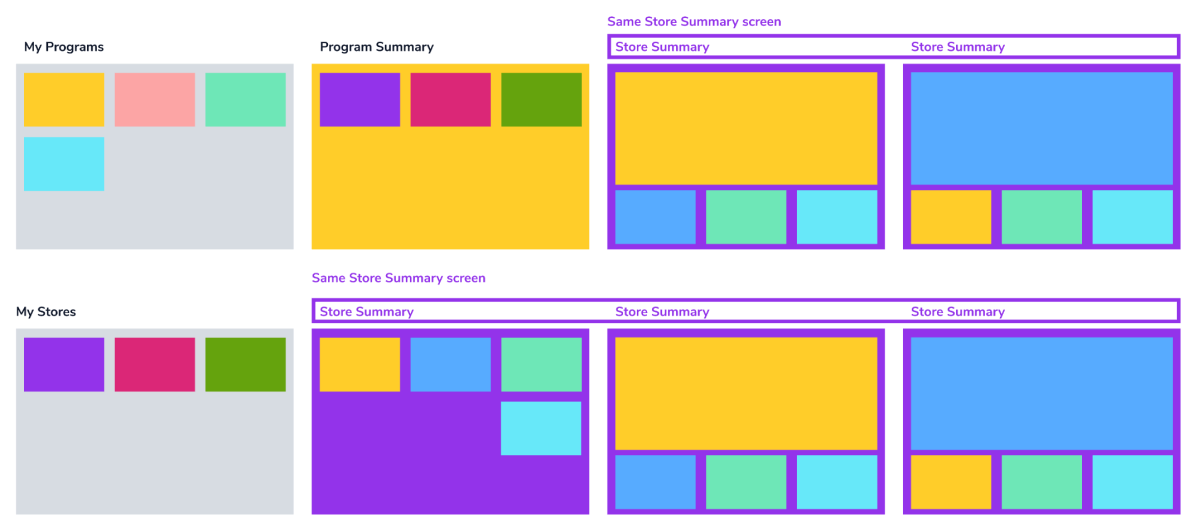
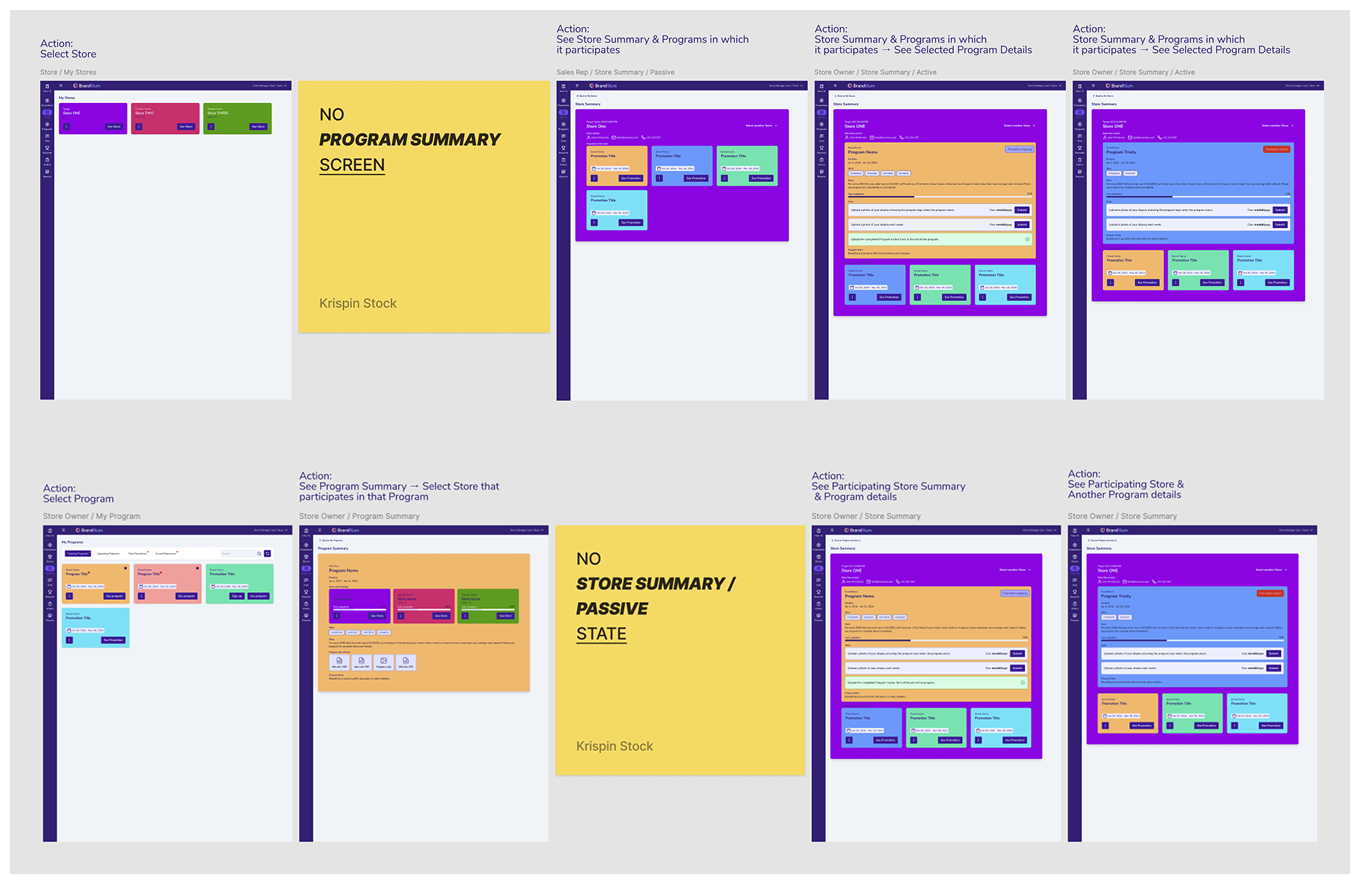
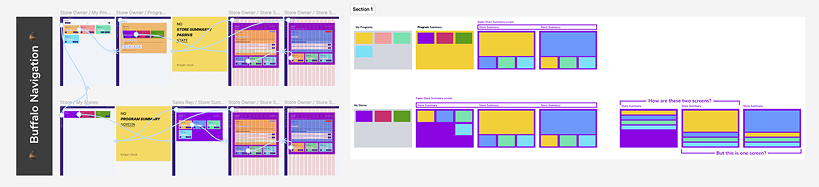
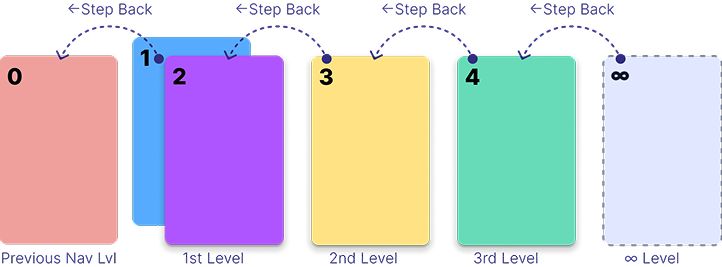
One navigation level maximum. Users exit any drill-down with a single click, returning to the previous level. Two entire screen types were removed before they were ever designed. The architecture made them structurally unnecessary.

Any new brand, retailer, or role the platform absorbs requires no structural change to the navigation.
The product manager's concern was reasonable. An untested navigation architecture on a 0-to-1 build carries real risk. A wrong structure at that stage means a rebuild from the foundation.

Content Nesting was the right architecture.
I needed to prove it.

The conventional approach carried its own cost: a system that served current requirements and fractured when new ones arrived. That failure would come later and cost more. Both paths had a price. The question was when it became visible.
I built five iterations on my own time. Each one advanced the structural case. The goal was not to win an argument. It was to build enough evidence that the team could commit with full confidence in what they were committing to.

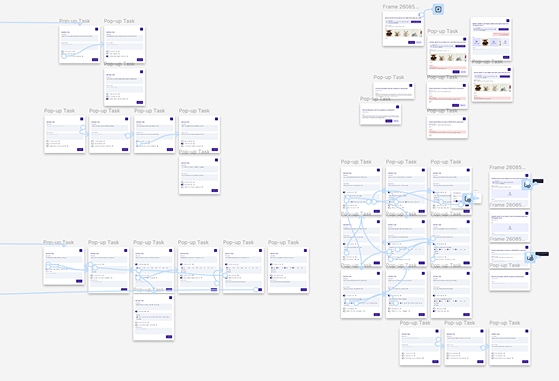
Iterating concept // Attempt 01
Iterating concept // Attempt 03
Iterating concept // Attempt 05

The team aligned.
All of us started rowing in the same direction.

The design system was not just a component library. It applied the same structural logic at every scale: atoms to molecules to full pages. The principle that governed the navigation governed the components that expressed it.

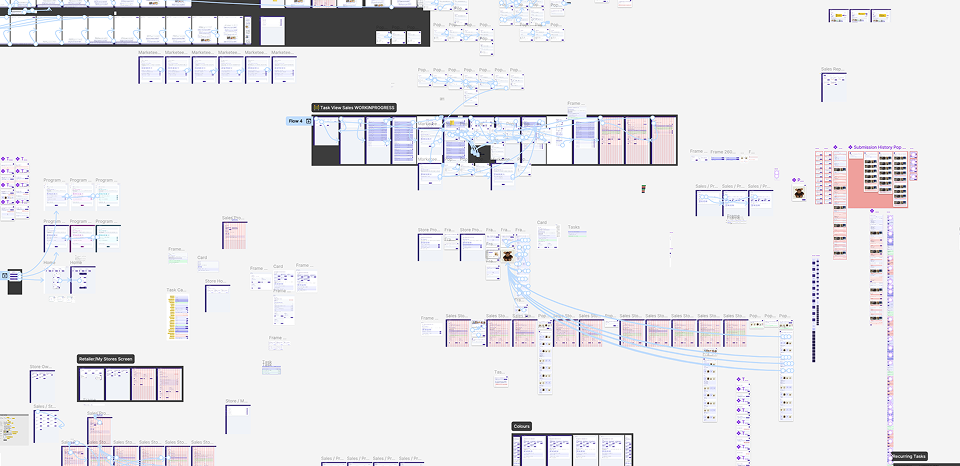
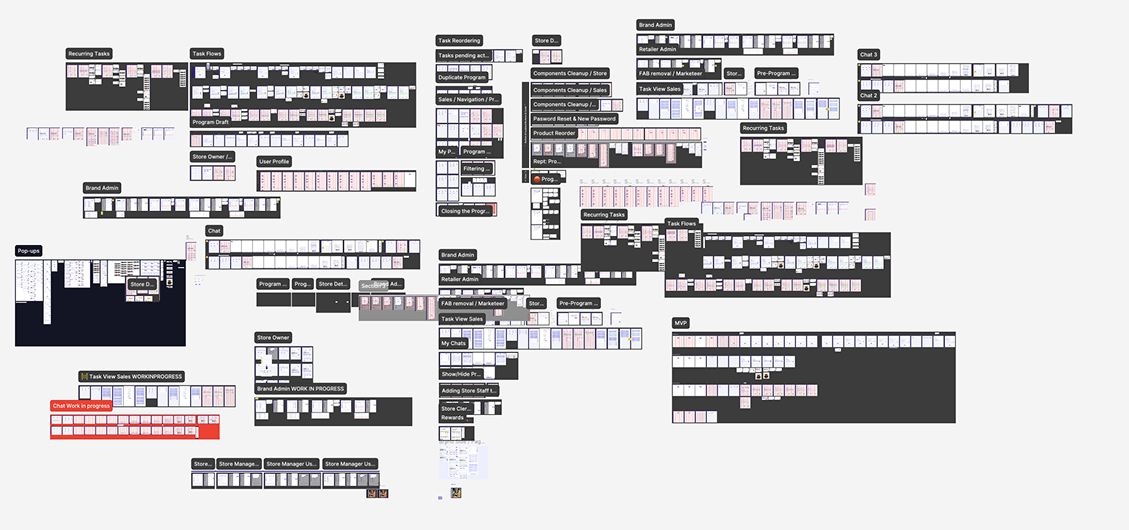
The effect was immediate. On implementation, the Figma file reduced in size by over 50%. A sprawling canvas of ungrouped frames became a navigable system: Retailer Side, Brand Side, each with structured flows. Designers and developers could find what they needed. Iterations moved from weeks to days. The platform supported 2-week software delivery cycles.

Before
After

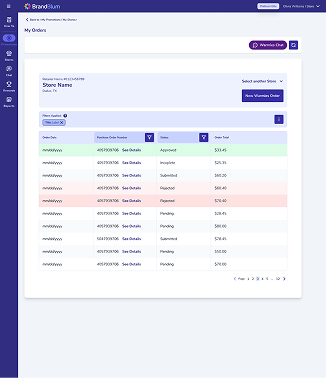
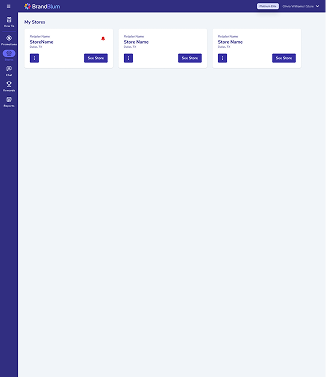
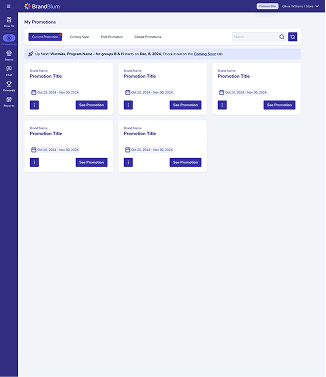
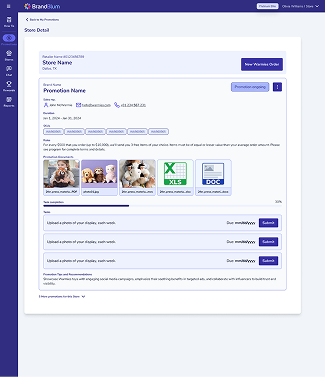
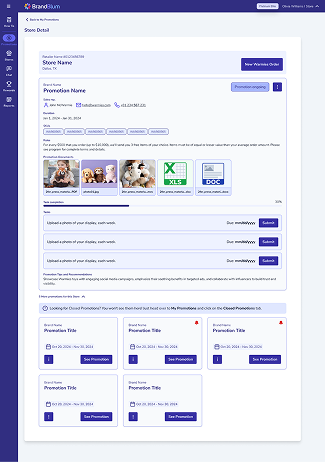
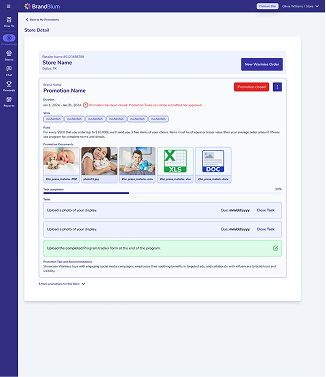
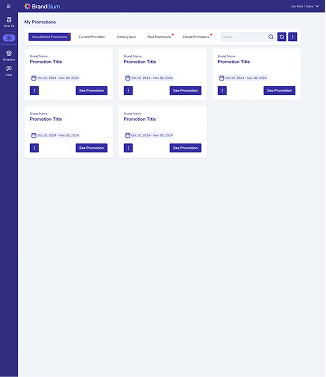
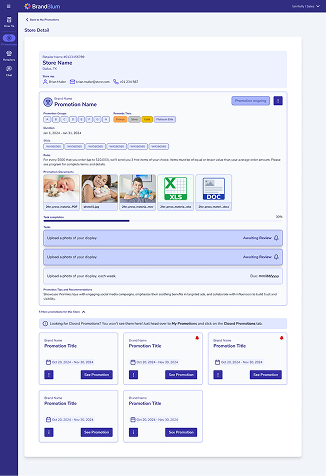
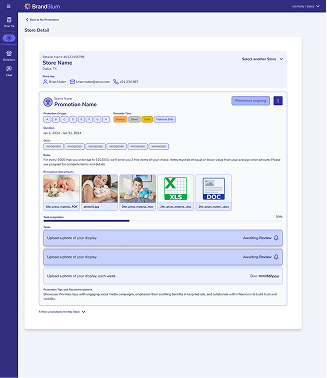
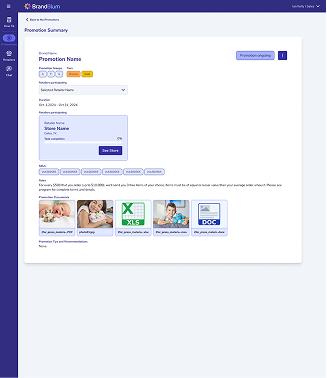
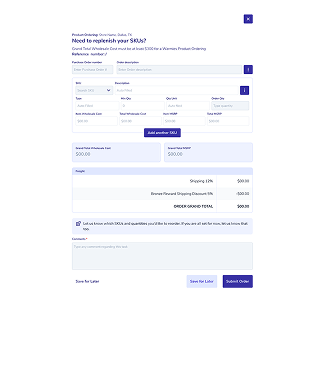
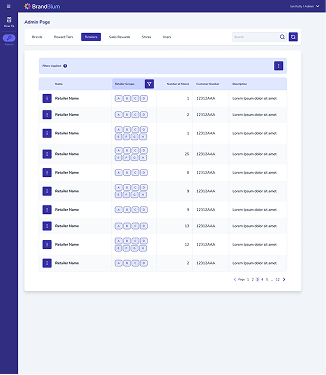
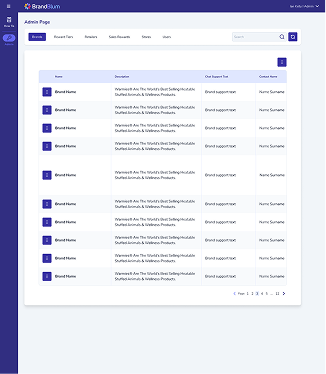
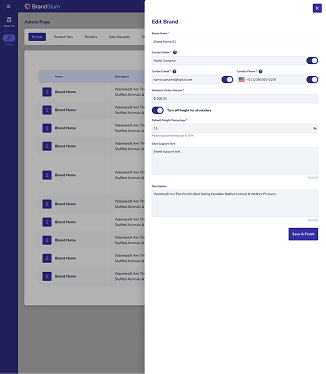
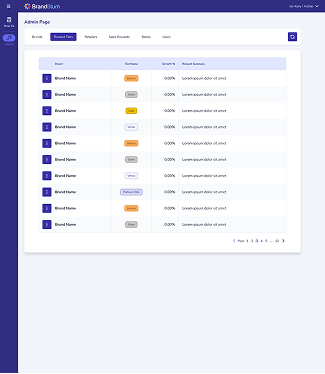
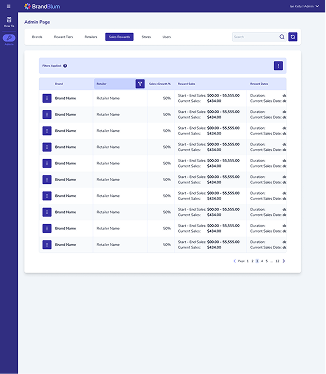
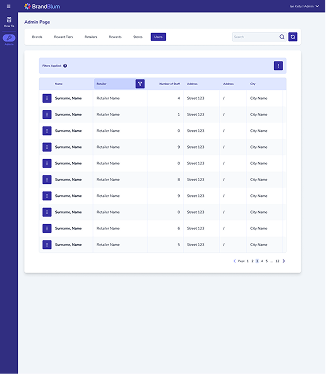
The real screens carried the proof. Store detail, promotion management, task tracking, retailer switching. Each surface built from the same components, each legible at a different level of the hierarchy.

60%

Sales increase reported by stores that implemented BrandBlum.

50%

Reduction in design file size on implementation. The system absorbed complexity without accumulating it.

Zero

Significant navigation issues in early analytics.
The architecture held.

New brands and retailers were absorbed without structural change to the navigation. The wall was not reached.
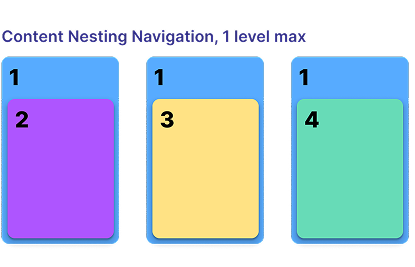
A navigation system built at the principle level does not hit a wall. It grows.